
Glendale doesn’t always get the same attention as Los Angeles proper. It’s close enough to feel connected, but just separate enough to behave differently.
And that difference matters more than most landlords expect.
Because while broader LA trends set the tone, Glendale tends to follow its own rhythm. Pricing moves a little differently. Tenant expectations skew slightly more stable. Demand shifts in ways that aren’t always obvious if you’re only looking at citywide data.
So if you’re trying to plan ahead for 2026, relying on general LA assumptions is where things start to drift.
Let’s get more specific.
Glendale is still stable, but not immune to pressure
There’s a reason Glendale continues to attract both renters and investors. It’s predictable. Relatively speaking.
Good schools. Walkable pockets. Proximity to major job hubs without the chaos of central LA. It appeals to renters who are looking for something a little more settled.
That stability tends to translate into:
- Lower turnover compared to trend-heavy neighborhoods
- Longer lease durations
- Slightly more price sensitivity, but less volatility
That said, 2026 isn’t shaping up to be a “set it and forget it” year.
Broader economic pressure, affordability concerns, and shifting renter expectations are starting to show up here too. Just more quietly.
Rental pricing will likely grow, but slower and more selectively
If the past few years were defined by aggressive rent growth, 2026 feels more measured.
Glendale rental market trends suggest:
- Moderate rent increases, not sharp jumps
- Stronger performance for well-maintained, updated units
- Increased resistance to pricing that feels even slightly off-market
In other words, pricing strategy matters more now than it did when demand was doing most of the work for you.
We’ve seen landlords hold out for “last year’s number” and watch listings sit longer than expected. Not dramatically longer. Just enough to start eroding returns.
This is where the cost of vacancy for landlords in LA becomes very real, even in a stable submarket like Glendale.
Pricing too high doesn’t just delay leasing. It creates a slow bleed.
Demand is steady, but renters are more selective
There’s still demand in Glendale. That hasn’t disappeared.
What has changed is how renters evaluate options.
They’re comparing more listings. Taking more time. Asking more questions. Expecting more clarity.
Units that feel updated, well-presented, and fairly priced move. Units that feel average or unclear tend to linger.
This isn’t about luxury versus basic. It’s about positioning.
If you’ve read our breakdown on what LA renters actually look for in apartments, the same pattern shows up here. Renters aren’t just choosing a unit. They’re choosing a lifestyle fit.
And in Glendale, that often means:
- Functional layouts
- Clean, modern finishes
- Reliable parking
- Quiet surroundings
Nothing extreme. Just consistent expectations being applied more carefully.
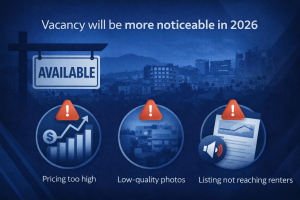
Vacancy will be more noticeable in 2026
This is where Glendale’s “stable” reputation can be misleading.
Because when vacancy does happen here, it tends to stand out more.
Units don’t usually sit for months. But when they sit for a few extra weeks, it’s often a signal. Something is off.
- Pricing slightly too high
- Photos not doing the unit justice
- Listing not reaching the right audience
And because Glendale tenants tend to be more deliberate, they’re less likely to rush into a decision just because something is available.
That patience extends vacancy.
We’ve seen how even small delays start to stack, especially when owners underestimate the rental vacancy costs Los Angeles landlords deal with across utilities, lost time, and missed opportunities.
Marketing will quietly become a differentiator
In highly competitive LA neighborhoods, marketing has always mattered.
In Glendale, it’s becoming more noticeable now.
Not louder. Just more important.
Listings that perform well tend to have:
- Clear, updated photography
- Descriptions that actually explain the space
- Strong positioning around lifestyle and location
Listings that don’t… tend to blend in.
Vacancy amplifies this. When a unit sits, it becomes obvious whether the marketing is doing its job or not.
This is something many landlords overlook because the difference isn’t dramatic. It’s incremental. But over time, those small differences shape leasing timelines.
Tenant quality will depend more on process than luck
With demand still present, the temptation is to assume good tenants will naturally show up.
Sometimes they do.
But in a more selective market, tenant quality becomes more tied to how you screen, communicate, and present the property.
Rushing decisions because a unit has been sitting for a couple of weeks is where things start to slip.
This connects closely with spotting red flags early in tenant applications, especially when pressure builds. Glendale’s stability can create a false sense of security here.
Consistency matters more than confidence.
Glendale will continue to attract long-term renters
One of Glendale’s strengths is its tenant profile.
Compared to more transient LA areas, Glendale tends to attract renters who:
- Stay longer
- Value stability
- Prioritize neighborhood over trend
That’s an advantage for landlords.
But it also means expectations around maintenance, communication, and overall property condition tend to be higher. These tenants aren’t just passing through. They’re settling in.
Retention becomes part of your strategy, not just leasing.
Compliance and regulation still matter here
Even though Glendale feels more “contained” than LA, it still operates within California’s broader regulatory environment.
Fair housing, rent control considerations, and evolving landlord requirements all apply.
If anything, the expectation of professionalism is slightly higher because of the tenant base.
Cutting corners here doesn’t go unnoticed.
If you haven’t already, it’s worth understanding how these risks show up in practice by looking at common fair housing mistakes California landlords make. Many of those issues don’t start in high-pressure situations. They start in everyday decisions.
Where property managers quietly change outcomes
There’s a point where Glendale’s predictability becomes misleading.
Because it can create the impression that things will “just work.”
And often, they do. Until they don’t.
Property managers tend to step in not because the market is difficult, but because consistency matters more than effort over time.
We’ve seen how structured pricing, intentional marketing, and steady screening processes reduce vacancy and improve tenant quality, especially in markets like Glendale where small missteps have outsized effects.
It’s less about fixing problems and more about preventing them from showing up in the first place.
2026 isn’t risky, but it isn’t passive either
Glendale remains one of the more stable rental markets in the LA area.
That hasn’t changed.
What has changed is how much attention detail now requires.
Pricing needs to be sharper. Marketing needs to be clearer. Decisions need to be more consistent.
None of this is dramatic. But it is cumulative.
If you’re approaching 2026 expecting Glendale to carry itself, you may feel small gaps start to appear. Slightly longer vacancies. Slightly more negotiation. Slightly more effort to get the same results.
And those small shifts are where strategy starts to matter.
If you’re looking to navigate Glendale’s rental market with a more structured approach, working with a team like Posh Property Management can help turn those small variables into something predictable. Not by overreacting to the market, but by staying a step ahead of it.
Because in a market like this, the difference isn’t in big moves. It’s in getting the small ones right.
FAQs
Is Glendale a good rental market in 2026?
A: Yes, Glendale remains stable, with steady demand and longer tenant retention, though pricing and marketing require more precision.
Will rents increase in Glendale in 2026?
A: Rents are expected to grow moderately, with stronger performance for updated and well-positioned properties.
Is vacancy a concern in Glendale?
A: Vacancy is typically lower, but when it occurs, it often signals pricing or marketing issues that need adjustment.
What kind of tenants does Glendale attract?
A: Glendale attracts longer-term renters who prioritize stability, quiet neighborhoods, and functional living spaces.
How can landlords stay competitive in Glendale?
A: By pricing accurately, improving listing quality, maintaining properties well, and using consistent tenant screening processes.