

Fair housing mistakes rarely start with bad intentions. They usually start with assumptions. Or habits. Or “this is how it’s always been done.”
In California, that gap between intention and impact can get expensive fast.
We’ve seen it happen to otherwise careful landlords. Smart owners. People who care about doing the right thing, but underestimate how specific, nuanced, and frankly unforgiving California fair housing rules can be. One poorly worded ad. One inconsistent screening decision. One casual comment that lands the wrong way. That’s often all it takes.
This isn’t about fear-mongering. It’s about clarity. Knowing where owners tend to trip up, and how to sidestep those mistakes before they turn into complaints, fines, or lawsuits that consume more time and money than anyone planned for.
Why fair housing mistakes happen more often than owners expect
California’s fair housing laws are layered. Federal rules apply. State laws expand them. Local ordinances add their own wrinkles. And then guidance evolves. Quietly.
What was acceptable five years ago may now be questionable. What sounds neutral in conversation might not read that way in writing. And what feels like common sense screening can cross into discrimination if applied inconsistently.
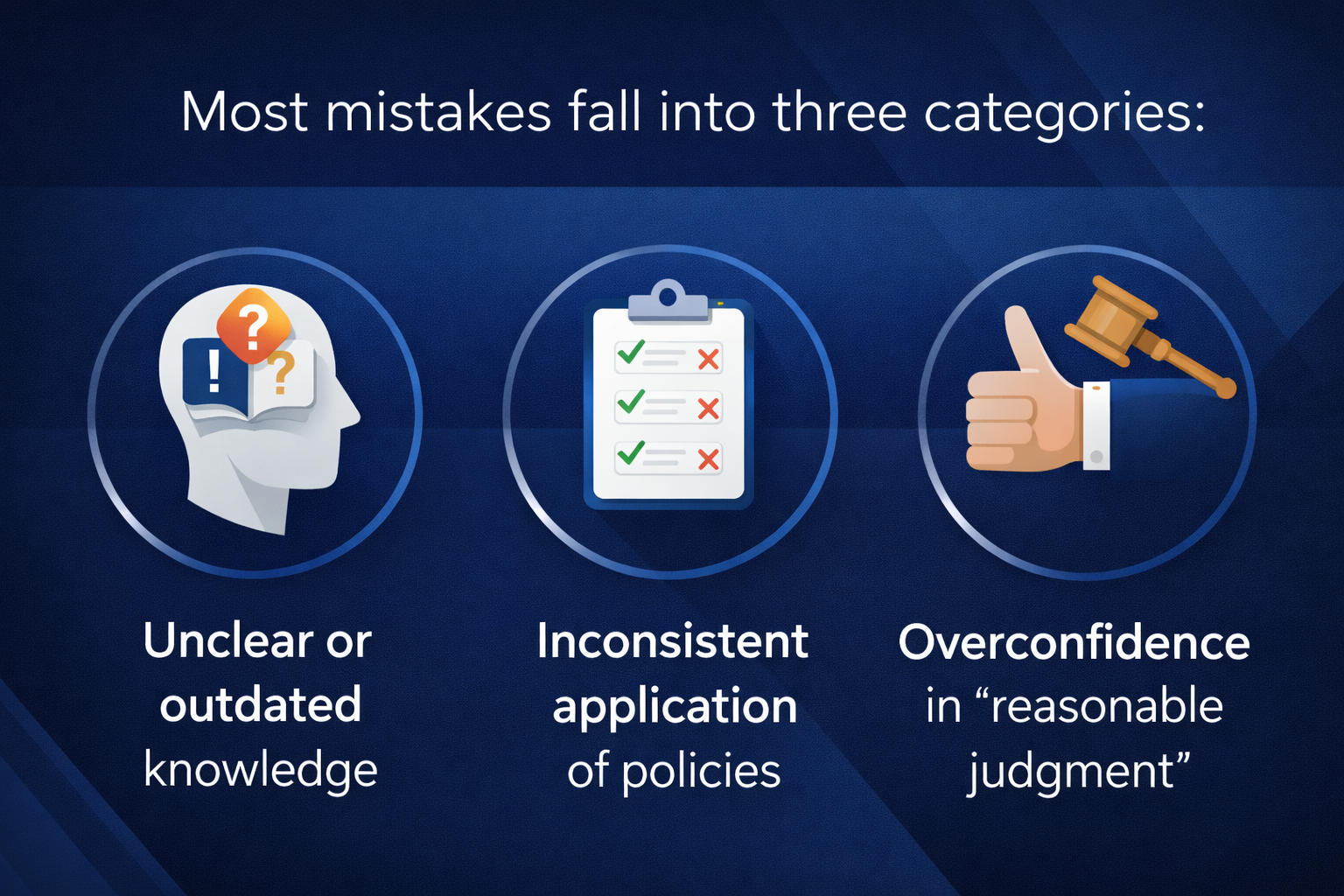
Most mistakes fall into three categories:
- Unclear or outdated knowledge
- Inconsistent application of policies
- Overconfidence in “reasonable judgment”
None of those make someone a bad landlord. They just make them human.
Advertising language is where many problems begin
Rental listings feel harmless. They’re marketing, after all. A few sentences, some photos, a price.
But this is one of the most common sources of fair housing complaints.
Certain phrases, even when casually used, can imply preference or exclusion. References to family status, age, gender, or lifestyle are especially risky. Even when framed positively.
Statements like “perfect for young professionals” or “ideal for a quiet single person” seem descriptive. They can also be interpreted as discouraging other groups from applying.
The safest approach is boring. Descriptive, factual, and focused on the property itself. Size. Layout. Amenities. Location. Lease terms.
It’s not about draining personality from your listings. It’s about removing ambiguity that can be read the wrong way.
This is one reason many owners lean on property managers who review marketing language before it goes live. A second set of trained eyes catches issues most people simply don’t see.
Screening criteria must be consistent. Every time.
This is where intent and execution often part ways.
Most landlords have screening standards. Income thresholds. Credit considerations. Rental history expectations. That’s normal. Necessary, even.
The problem starts when those standards are applied differently from one applicant to the next.
Approving one applicant with a borderline credit score while denying another with similar numbers creates exposure. Even if the reasons feel obvious in context. Even if there was no bias involved.
Fair housing enforcement doesn’t focus on what you meant. It focuses on patterns.
Written criteria help. Applying them uniformly matters more.
If exceptions are allowed, they should be structured, documented, and rare. Otherwise, flexibility becomes a liability.
This is an area where experienced property managers add real value. Not by being rigid, but by creating defensible processes that stand up if questioned.
Reasonable accommodations are often misunderstood
Accommodation requests make many landlords nervous. Mostly because they’re unclear on what’s required and what isn’t.
Under fair housing laws, landlords must consider reasonable accommodations for disabilities. That doesn’t mean approving every request without question. It does mean engaging in a good-faith process.
Automatically denying a request or delaying a response indefinitely is a common mistake. So is asking for unnecessary documentation.
The correct response often depends on specifics. The nature of the request. The impact on the property. Whether the accommodation is considered reasonable under the law.
This gray area is where things get tricky. And where quick assumptions tend to cause the most trouble.
When in doubt, slowing down and seeking guidance is usually safer than reacting quickly.
Communication style matters more than many realize
Emails. Texts. Notes in a tenant file. Casual comments during showings.
These things feel informal. They’re not treated that way in disputes.
Written communication is often reviewed line by line when complaints arise. Tone. Word choice. Inconsistencies. All of it can be scrutinized.
Being professional doesn’t mean being cold. It means being clear, consistent, and neutral.
Avoid jokes that reference personal characteristics. Avoid commentary on appearance, lifestyle, or family structure. Avoid off-the-record remarks that could later become part of the record.
It sounds overly cautious. It also saves a lot of headaches.
Local rules add another layer of complexity
California fair housing doesn’t operate in a vacuum. Cities like Los Angeles add local protections and enforcement priorities.
This is where broader landlord education helps. Understanding how fair housing interacts with rent control, eviction rules, and tenant protections matters.
If you haven’t read our LA Landlord Guide 2025: What New Rental Laws Mean for You, it’s a helpful place to understand how these regulations overlap and where owners tend to underestimate risk.
Likewise, California’s Rent Control Explained: How to Protect Your Profits in 2025 provides context on how compliance decisions often intersect with fair housing considerations, sometimes in unexpected ways.
These topics don’t live in silos. Mistakes in one area often trigger issues in another.
Documentation is your quiet safety net
Most landlords document leases. Fewer document decisions.
Keeping records of screening outcomes, accommodation requests, and communication timelines creates a paper trail that protects you. Not because you expect conflict, but because disputes rarely announce themselves in advance.
Documentation doesn’t have to be complicated. It just has to be consistent.
Dates. Decisions. Reasons. Actions taken.
When questions arise later, clarity matters.
When professional oversight becomes a strategic choice
Some owners manage fair housing compliance themselves successfully. Others reach a point where the mental load outweighs the savings.
Property managers aren’t just operational support. In this context, they act as risk buffers. Setting standardized processes. Monitoring changes in regulations. Catching issues before they escalate.
We’ve seen how having structured systems in place reduces exposure and stress. Especially for owners with multiple properties or limited time.
This isn’t about giving up control. It’s about deciding where expertise actually saves money in the long run.
The cost of getting it wrong is rarely just financial
Fines and legal fees get the headlines. The quieter costs are just as real.
Time spent responding to complaints. Emotional drain. Reputational damage. Strained tenant relationships. Disrupted cash flow.
Fair housing mistakes tend to ripple. What starts as a small oversight becomes a long distraction.
Avoiding that outcome is mostly about awareness and process. Not perfection.
A steady approach beats a reactive one
Fair housing compliance isn’t something to scramble through when a notice arrives. It works best when it’s built into how you operate from the start.
Clear listings. Consistent screening. Thoughtful communication. Documented decisions.
None of this is glamorous. All of it is effective.
And when questions arise, having support makes a difference.
If you’re looking for guidance that balances compliance with practical property ownership, working with a team like Posh Property Management can help take the guesswork out of the process. Not by overcomplicating things, but by setting up systems that quietly do their job in the background.
Sometimes the smartest move is making sure nothing goes wrong at all.
FAQs
What are the most common fair housing mistakes landlords make in California?
A: Using risky advertising language, applying screening criteria inconsistently, and mishandling accommodation requests are among the most common.
Can a landlord choose tenants based on lifestyle preferences?
A: No. Decisions must be based on objective, consistent criteria rather than personal characteristics or assumptions.
Do fair housing rules apply to small landlords?
A: Yes. While some exemptions exist, most California landlords are subject to fair housing regulations.
How should landlords handle accommodation requests?
A: By engaging in a good-faith process, responding promptly, and evaluating whether the request is reasonable under the law.
Can property managers help with fair housing compliance?
A: Yes. Experienced property managers often implement standardized systems that reduce risk and ensure consistent compliance.